
Where It All Began
Greg Morris didn’t arrive at stardom by accident. His foundation was laid in the raw, unfiltered world of mid-century theater, where actors were judged by their ability to disappear into roles rather than by their looks or star power. By the time he reached his late 20s, he’d already played everything from a tormented lover in A Streetcar Named Desire to a hardened detective in crime dramas. But it was his time with the Actors Studio that sharpened his instincts. There, under the guidance of Lee Strasberg, he learned to mine his own life for truth—something that would later make his performances feel uncannily real. The early signs of his talent were there, but they weren’t the kind that guaranteed fame. Morris was the kind of actor who made you forget he was acting at all. In a 1960 interview, a critic for The New York Times noted his "uncanny ability to inhabit a role without slipping into caricature." That precision wasn’t luck. It was the result of years spent in small, sweaty theaters, where every performance was a test. By the time he turned 30, he’d already worked with directors who’d go on to shape American cinema, but he was still waiting for the break that would propel him beyond the stage.The Early Signs
Morris’ first major television role came in 1959, when he was cast in an episode of Playhouse 90. It was a small part, but it marked the beginning of his transition from theater to screen. The real turning point, however, was his work on The Twilight Zone in the early 1960s. Rod Serling, the show’s creator, was a master of psychological tension, and Morris—with his ability to convey quiet menace—became a go-to for roles that demanded depth over spectacle. His performance in "The Hunt" (1960) was particularly notable, where he played a man unraveling under paranoia. Critics began to take notice, though the industry still saw him as a character actor, not a leading man. What set Morris apart wasn’t just his skill, but his versatility. He could play a cop, a criminal, a scientist, or a desperate father with equal conviction. This adaptability made him invaluable in an era when television was rapidly evolving from live broadcasts to filmed dramas. By 1963, he was a regular on The Defenders, a legal drama that gave him the chance to showcase his dramatic range. But it was another role—one that would define his career—that was just around the corner.The Turning Point
The role that changed everything was Lieutenant Steve McGarrett on Hawaii Five-O. When the show premiered in 1968, it wasn’t just another cop drama—it was a cultural phenomenon. McGarrett wasn’t your typical tough-guy detective. He was a man burdened by duty, haunted by his past, and bound by loyalty to his team. Morris brought a complexity to the role that resonated with audiences. He wasn’t just playing a hero; he was playing a man struggling with the weight of his choices. The show’s success—peaking at No. 1 in the ratings—cemented Morris’ place in television history, but it also came with a cost. The pressure to sustain that intensity for years would test even the most seasoned actors. The turning point wasn’t just the role itself, but how it redefined what a leading man on television could be. Before Hawaii Five-O, action heroes were often one-dimensional. Morris made McGarrett feel real, flawed, and deeply human. It was a masterclass in balancing toughness with vulnerability—a tightrope he’d walk for the next decade. As Morris later reflected, "The role wasn’t just about the gunfights. It was about the quiet moments—the way a man looks at his coffee in the morning, knowing the day ahead won’t be easy.""You don’t act a role. You become it. And if you’re lucky, the audience doesn’t see you at all." — Actor Greg Morris, 1972

The Build-Up, Year by Year
| Period | What Happened / What Changed | |------------------|------------------------------------------------------------------------------------------------------------------| | 1960–1965 | Transitioned from theater to TV, landing key roles in The Twilight Zone and The Defenders; honed his method acting. | | 1966–1970 | Cast as Lieutenant Steve McGarrett in Hawaii Five-O; became a household name, balancing TV fame with film projects. | | 1971–1980 | Shifted focus to film (The Poseidon Adventure, The Towering Inferno) while continuing TV work; explored darker roles. |Lessons From the Journey
- Discipline over talent: Morris’ success wasn’t about natural charisma—it was about relentless preparation. He once spent three hours rehearsing a single scene. - Adaptability: He moved seamlessly between theater, TV, and film, proving that versatility is a career’s greatest asset. - The weight of typecasting: Playing McGarrett for years taught him how to reinvent himself without losing his core. - Collaboration over ego: His best performances came when he trusted his co-stars and directors, not when he tried to dominate a scene. - The cost of fame: The Hawaii Five-O years took a toll, but he learned to separate his identity from a single role. - Legacy over trends: He chose projects that challenged him, even when they didn’t guarantee ratings.Where Things Stand Today
Greg Morris left Hawaii Five-O in 1980 after 12 seasons, but his career didn’t fade—it evolved. He took on film roles that demanded depth, from The Poseidon Adventure (1972) to The Towering Inferno (1974), where his ability to convey quiet desperation in disaster scenarios became his signature. By the 1980s, he was also teaching acting, passing on the lessons he’d learned from Meisner and Strasberg. His later years were marked by a shift toward character-driven indie films and occasional TV cameos, proving that he never relied on a single role for his relevance. Today, actor Greg Morris is remembered not just for Hawaii Five-O, but for his ability to make every performance feel essential. He passed away in 1996, but his influence persists in actors who study his work—particularly in how he used method techniques to create roles that felt lived-in, not performed. The legacy of Greg Morris isn’t just in the shows he starred in, but in the way he redefined what it meant to be a leading actor in an era that often undervalued depth over spectacle.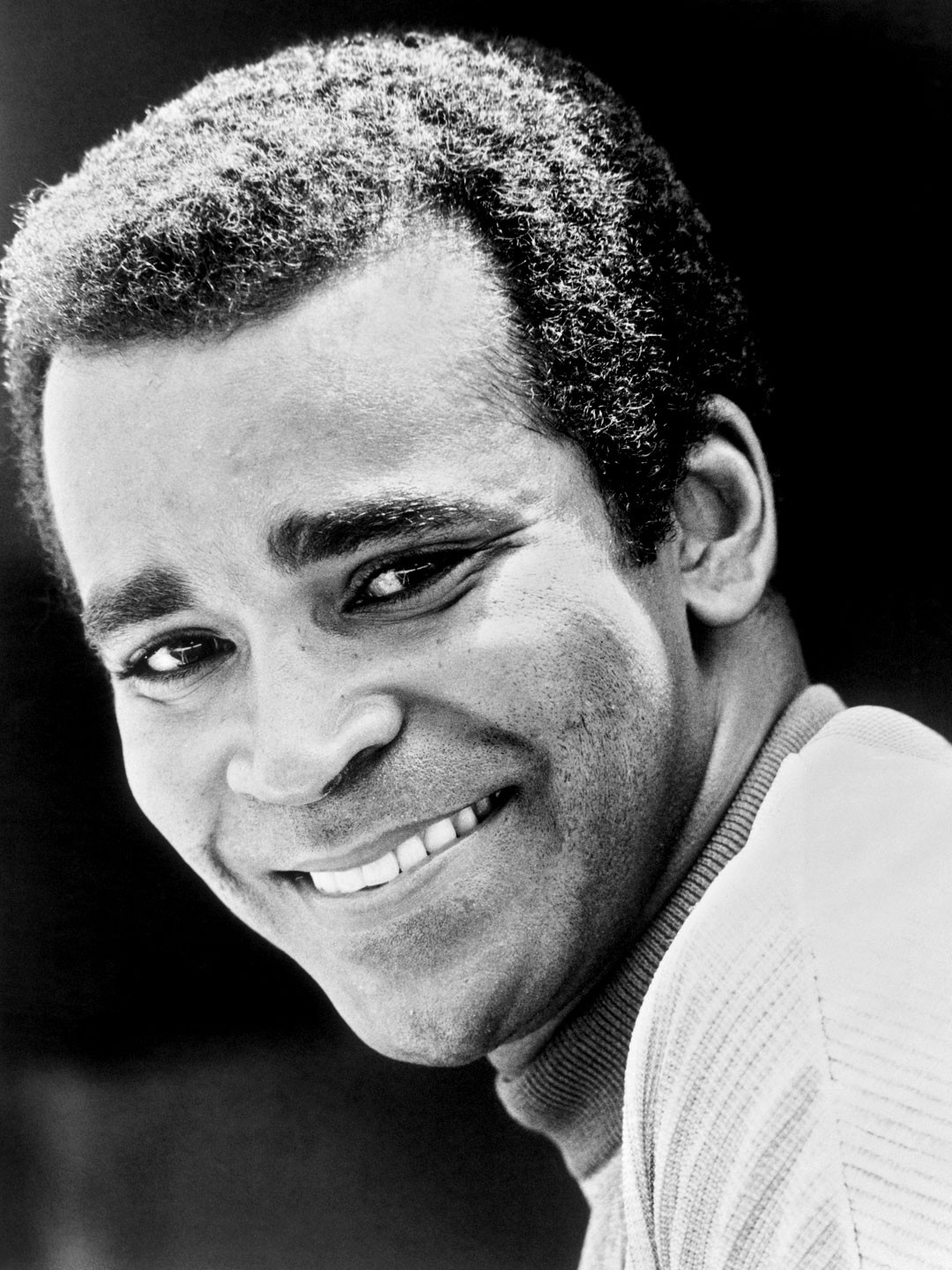
Conclusion
Greg Morris’ career was a study in how to turn discipline into art. He didn’t chase fame; he earned it through sheer commitment. The fact that he’s still discussed decades later—by actors, directors, and fans—speaks to the power of his craft. In an industry that often rewards flash over substance, Morris proved that the most enduring performances come from those willing to disappear into their roles completely. His story is also a reminder that acting isn’t just about talent—it’s about survival. Morris navigated typecasting, industry shifts, and the personal toll of long-term roles with a quiet resilience. For anyone studying performance, his career is a masterclass in how to build a legacy, not just a career.Comprehensive FAQs
Q: What was actor Greg Morris’s most famous role?
His most iconic role was Lieutenant Steve McGarrett on Hawaii Five-O (1968–1980), which made him a TV legend and defined his career.
Q: Did Greg Morris win any awards for his work?
While he didn’t receive major individual awards, his work on Hawaii Five-O earned the show multiple Emmys, and his performances were widely praised by critics.
Q: How did his method acting influence his career?
Training under Sanford Meisner and Lee Strasberg gave him the tools to create deeply realistic characters. This approach made his performances stand out in an era when many actors relied on broader styles.
Q: What happened after Hawaii Five-O ended?
He transitioned to film, taking on roles in disaster movies like The Poseidon Adventure and later focused on teaching acting, sharing his techniques with new generations.
Q: Was Greg Morris ever considered for bigger film roles?
Yes, but his typecasting as McGarrett limited some opportunities. He did secure notable film roles, though many were in ensemble casts or supporting parts.
Q: How did he balance his personal life with his career?
He was known for his professionalism, often keeping his personal life private. Colleagues described him as intensely focused, prioritizing his craft over public attention.
Q: What’s his lasting impact on acting today?
His use of method acting techniques and his ability to make complex characters feel authentic continue to influence actors, particularly in TV and film roles that demand emotional depth.
Q: Are there any books or documentaries about him?
While there isn’t a dedicated biography, his career is often referenced in books on Hawaii Five-O and method acting. Archival interviews and episodes of the show offer insights into his process.
