Where It All Began
The AR15’s locking pins trace their lineage back to Eugene Stoner’s original AR-15 design, where every component was engineered for direct impingement gas operation—a system that relied on the bolt carrier group’s precise movement. The pins themselves were secondary to the BCG’s function, but their role was critical: they had to keep the upper receiver and bolt carrier group aligned while allowing for the necessary clearance during cycling. Early military specifications called for pins made from A2 tool steel, a material chosen for its balance of hardness and toughness. The pins were press-fit into the upper receiver, a method that ensured a snug hold without requiring constant tightening. What set the AR15 apart from other rifles of its era was its modularity. Unlike the fixed-action designs of the time, the AR15’s upper and lower receivers could be separated, allowing for rapid field stripping. This meant the locking pins had to be both sturdy and replaceable—a duality that would later become a point of contention. The original pins were simple, with a flat-head design that could be driven in with a hammer if needed. But as civilian versions hit the market, shooters began experimenting with aftermarket parts, leading to the first major shifts in AR15 locking pin design.The Early Signs
By the late 1970s, civilian AR15s were becoming more popular among hunters and sport shooters, not just military personnel. This shift exposed a flaw in the original design: the stock pins were prone to stripping the threads in the upper receiver if over-tightened, especially in high-stress applications like varmint hunting or competitive shooting. Shooters started modifying their pins, using hardened steel pins or even tapered pins to reduce wear. The aftermarket industry, still in its infancy, began offering alternatives—pins with knurled heads for easier installation, or pins with reduced friction coatings to prevent seizing. The other early sign was the rise of the low-profile or mil-spec upper receiver. The original "A1" upper had a pronounced gas tube and handguard, but the "A2" and later civilian models featured a sleeker design. This change required adjustments to the locking pins’ placement and length, as the new receivers had slightly different tolerances. Shooters noticed that some aftermarket pins didn’t fit as cleanly, leading to binding or loose fits—problems that would only grow as the AR15 evolved.The Turning Point
The real inflection point came in the 1990s, when the AR15 transitioned from a niche military platform to a mainstream civilian firearm. The passage of the Federal Assault Weapons Ban in 1994 didn’t just restrict certain features—it forced manufacturers and shooters to rethink how their rifles were built. One unintended consequence was a surge in AR15 locking pin modifications, as owners sought ways to adapt their rifles to new legal and functional constraints. The ban’s expiration in 2004 only accelerated this trend, as shooters and manufacturers raced to produce rifles that were both compliant and optimized for performance. What changed wasn’t just the law, but the culture around the AR15. Competitive shooting disciplines like 3-Gun and Precision Rifle demanded rifles that could handle everything from close-quarters drills to long-range engagements. This meant AR15 locking pins couldn’t just be functional—they had to be adjustable, upgradeable, and capable of withstanding extreme conditions. The aftermarket exploded with options: pins with ceramic coatings to reduce friction, titanium pins for weight savings, and custom-length pins to accommodate different upper receiver designs."The locking pins are where the rubber meets the road in an AR15. If they’re not right, nothing else matters." — Johnathan "JD" Jones, former USMC rifleman and competitive shooter

The Build-Up, Year by Year
| Period | Key Developments |
|---|---|
| 1960s–1970s | The original AR15/M16 used mil-spec locking pins with flat heads and A2 tool steel construction. Early civilian versions replicated this design, though with looser tolerances. The focus was on durability over customization. |
| 1980s | The rise of civilian AR15s led to the first aftermarket AR15 locking pin alternatives, including knurled heads and hardened steel. Shooters began modifying pins to reduce thread stripping in high-stress applications. |
| 1994–2004 | The Federal Assault Weapons Ban spurred innovation in locking pin designs, as manufacturers and shooters sought ways to maintain performance while complying with new restrictions. The aftermarket expanded significantly. |
| 2010s–Present | Modern AR15 locking pins incorporate advanced materials like titanium and ceramic coatings, as well as adjustable-length pins to accommodate modern upper receivers. Competitive shooting and tactical use drive demand for precision-engineered pins. |
Lessons From the Journey
- Material matters. Early pins used A2 tool steel, but modern shooters now have options like titanium, aluminum, or even carbon fiber-reinforced composites—each with trade-offs in weight, durability, and cost.
- Tolerance is everything. A pin that’s too tight can bind the BCG; one that’s too loose can lead to catastrophic failures under recoil. This is why aftermarket pins often include precision-machined tolerances tailored to specific upper receiver models.
- The aftermarket didn’t just improve pins—it democratized them. What was once a military-grade component became accessible to civilian shooters, leading to a proliferation of choices.
- Legal changes forced innovation. The 1994 ban and subsequent restrictions didn’t just limit features—they pushed manufacturers to rethink how rifles were built, including the role of locking pins in compliance and performance.
- Competitive shooting elevated the importance of locking pins. Disciplines like 3-Gun and PRS demand rifles that can handle extreme stress, making pin selection a critical part of build-out.
Where Things Stand Today
Today’s AR15 locking pins are a far cry from the simple, one-size-fits-all designs of the 1960s. Manufacturers now offer pins with laser-etched markings for quick identification, self-lubricating coatings to reduce maintenance, and modular designs that allow shooters to swap out pins without special tools. The rise of polymer upper receivers—common in modern AR15s—has also introduced new challenges, as these materials require pins with different thread profiles to prevent stripping. The aftermarket is more robust than ever, with companies like BCM, Magpul, and Brownells offering pins in a dizzying array of materials and finishes. Shooters can now choose between mil-spec pins for traditional builds, lightweight pins for competition, or custom-length pins for unique upper receiver setups. Yet despite these advancements, the core function remains the same: to keep the upper and BCG aligned under extreme stress. What’s changed is the expectation of reliability. Where early AR15 owners might have accepted occasional binding as a trade-off for simplicity, today’s shooters demand flawless performance—and they’re willing to pay for it. This has led to a two-tier market: budget-conscious shooters sticking with stock or basic aftermarket pins, while serious competitors and tactical users investing in high-end, precision-machined options.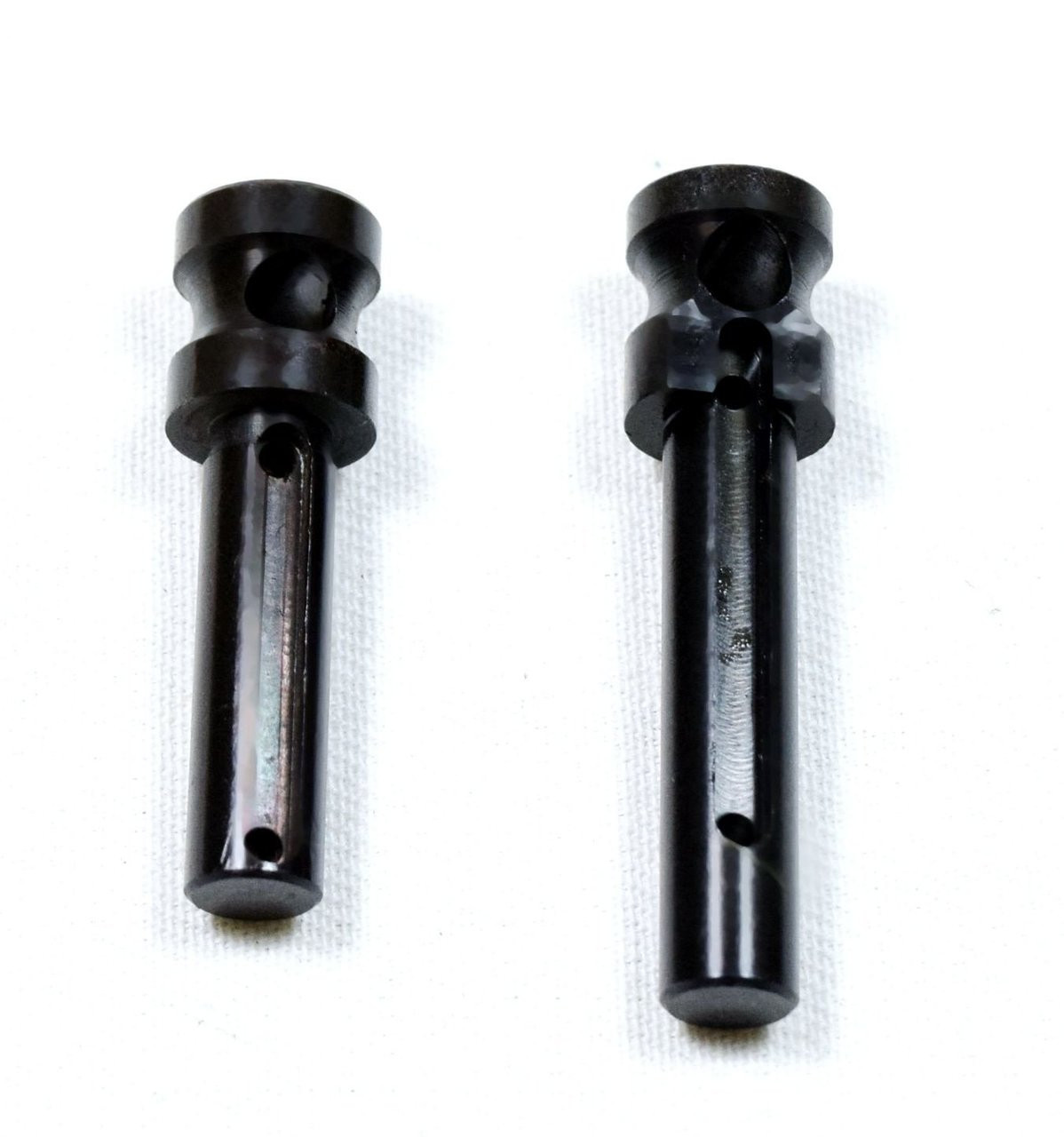
Conclusion
The story of AR15 locking pins is more than a tale of mechanical evolution—it’s a reflection of how firearm culture has shifted over the past six decades. From military necessity to civilian customization, from simple steel pins to high-tech composites, these components have adapted to the needs of their users. They’ve been shaped by laws, competition, and the relentless pursuit of performance, yet their fundamental role remains unchanged: to ensure that when the trigger is pulled, the rifle responds exactly as intended. For the average shooter, locking pins might seem like an afterthought. But for those who understand their importance, they’re the unsung heroes of the AR15—a reminder that even the smallest parts can have the biggest impact.Comprehensive FAQs
Q: Are aftermarket AR15 locking pins worth the upgrade?
It depends on your use case. Stock pins are fine for casual plinking or home defense, but aftermarket pins—especially those with hardened steel or ceramic coatings—can reduce wear and improve reliability in high-stress applications like competitive shooting or heavy varmint hunting. If you’re building a rifle for precision or endurance, upgrading is often justified.
Q: Can I install aftermarket locking pins myself?
Yes, but with caution. Most aftermarket pins require a pin punch and hammer for installation, and improper technique can strip the upper receiver’s threads. If you’re unsure, consult a gunsmith or follow the manufacturer’s instructions closely. Some pins, like Magpul’s MOE+ series, are designed for easier installation.
Q: Do polymer upper receivers need special locking pins?
Yes. Polymer uppers—common in modern AR15s—often require pins with sharper threads to prevent stripping. Standard steel pins can wear out quickly in these receivers, so hardened or titanium pins are recommended for longevity.
Q: What’s the difference between mil-spec and low-profile locking pins?
Mil-spec pins are designed for A1/A2 upper receivers and have a longer thread length to accommodate the thicker metal. Low-profile pins are shorter and optimized for modern, thinner-walled uppers, reducing the risk of binding while maintaining strength.
Q: How often should I replace my AR15 locking pins?
There’s no universal answer, but signs of wear—such as stripped threads, excessive play, or binding—mean it’s time for a replacement. High-volume shooters should inspect their pins annually, while casual users may go years without issues. Aftermarket pins with hard coatings tend to last longer.
Q: Are there locking pins designed for specific calibers?
Generally, no—locking pins are caliber-agnostic since they’re part of the upper receiver’s structure. However, heavy-recoil calibers (like .300 Blackout or 6.5 Grendel) may benefit from sturdier pins to handle increased stress. The key factor is the upper receiver’s material and wall thickness, not the caliber itself.
Q: What’s the most common mistake shooters make with locking pins?
Over-tightening. While it might seem like a tighter pin equals better security, over-torquing can strip the upper receiver’s threads, leading to catastrophic failures. Always follow the manufacturer’s torque specifications—typically 10–15 ft-lbs for most pins.
