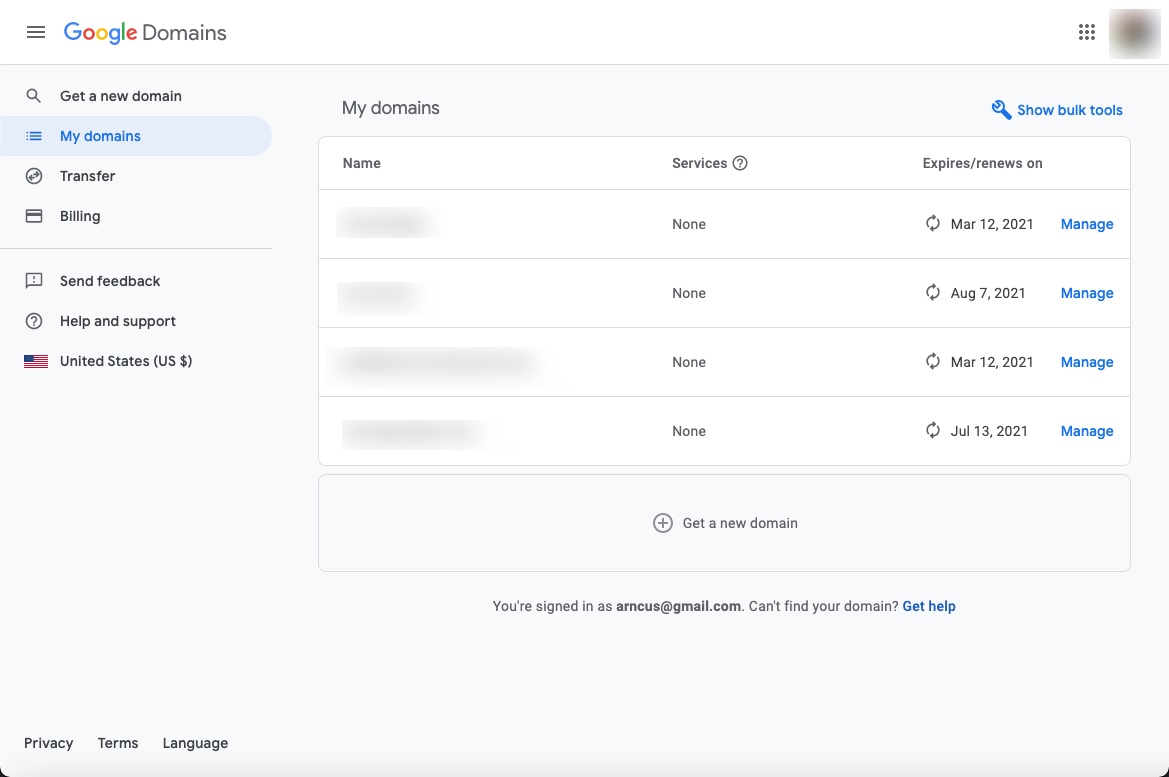
6 Things Worth Knowing About How to Find Where a Domain Is Registered
The journey to uncover a domain’s true registrant begins with recognizing that no single tool provides the full picture. Each method has strengths, blind spots, and ethical considerations. Below are six critical insights that shape the investigation process.1. WHOIS records are the first but not the final answer
WHOIS—the Internet’s original directory—was designed to make domain ownership transparent. For decades, typing a domain into a WHOIS lookup tool would return the registrant’s name, address, email, and phone number. But the system cracked under pressure. Privacy laws like GDPR in Europe and CCPA in California forced registrars to redact personal details, replacing them with generic contact forms or proxy services. Today, a WHOIS query on a domain registered after 2018 may return nothing more than a registrant ID and a privacy-protected email like `privacy@whoisguard.com`. The shift didn’t happen overnight. In 2013, ICANN introduced RDAP (Registration Data Access Protocol) as a successor to WHOIS, promising better accuracy and security. However, RDAP still relies on registrars to provide data—and many choose to withhold it. The result? A domain’s WHOIS record might show a shell company in Panama or a generic LLC in Delaware, while the actual owner remains hidden. To find where a domain is registered effectively, WHOIS is now just the starting point. It tells you what to look for next, not who truly controls the domain.2. Registrar choice reveals strategic intent
Not all domain registrars are equal. Some, like GoDaddy or Namecheap, cater to individual users and small businesses, often with minimal vetting. Others, such as Enom or Tucows, serve resellers and bulk registrants, making them hubs for privacy-protected domains. Then there are registries—the organizations that manage top-level domains (TLDs)—which sometimes enforce stricter transparency rules. For example, `.gov` and `.mil` domains in the U.S. require verified ownership, while `.io` (popular with startups) and `.xyz` (a favorite for anonymity) often allow full privacy shielding. The registrar’s location also matters. Domains registered in the European Union must comply with GDPR, which limits personal data exposure unless legally justified. In contrast, registrars based in Panama, Singapore, or the Seychelles—common privacy jurisdictions—may offer services that deliberately obscure ownership. A domain registered with NameBright or NameSilo in Panama, for instance, could be part of a deliberate effort to hide the true beneficiary. By cross-referencing the registrar with the domain’s age and TLD, investigators can infer whether the registrant is likely a legitimate entity or an entity operating in the shadows.3. DNS and infrastructure clues often outlast WHOIS
When WHOIS fails, the Domain Name System (DNS) becomes the next frontier. Every domain points to a set of name servers—computers that translate the domain into an IP address. These servers can belong to the registrant, a hosting provider, or a third-party service like Cloudflare. By analyzing the DNS records, you can trace the domain’s hosting environment, which may lead to additional ownership signals. Take name server clustering: if multiple domains share the same name servers, they may belong to the same entity. Tools like DNSDumpster or SecurityTrails can map these relationships, revealing patterns that WHOIS alone misses. Similarly, WHOIS on name servers—querying the registrant of the name server itself—can uncover intermediate layers of ownership. For example, a domain pointing to `ns1.examplehosting.com` might eventually lead to a company based in Estonia or a U.S.-based hosting giant. While this doesn’t always expose the end user, it narrows the search to a smaller pool of suspects.4. Privacy services are the new obfuscation standard
The rise of domain privacy services has turned finding where a domain is registered into a game of digital hide-and-seek. Companies like WhoisGuard, PrivacyGuardian, and BulkRegister offer to mask a registrant’s personal details for a fee, often just $10–$20 per year. These services act as intermediaries, receiving all WHOIS inquiries on behalf of the true owner. The result? A domain’s registration details may show an address in Arizona, USA, or London, UK, with no way to verify the connection without further investigation. The problem deepens with bulk privacy services, which allow individuals to register hundreds of domains under a single privacy shield. This is a favorite tactic among cybersquatters, scammers, and state-sponsored actors, who use it to register domains en masse without leaving a paper trail. To bypass these shields, investigators must look beyond WHOIS. Email addresses tied to the domain (via MX records or webmail services), payment methods (credit cards or cryptocurrency), or physical addresses linked to the hosting provider can sometimes break through the anonymity. However, these methods require persistence—and often, legal justification.5. Legal and jurisdictional hurdles complicate the process
The ability to determine where a domain is registered hinges on where the domain is registered—and whose laws apply. In the European Union, GDPR imposes strict limits on accessing personal data unless an exception applies (e.g., fraud, cybercrime). In the United States, the FTC and ICANN have taken steps to require registrars to disclose data in cases of abuse, but enforcement is inconsistent. Meanwhile, in Russia, China, or the UAE, domain registrations may be tied to government-approved entities, making independent verification nearly impossible without local connections. Even within the same country, rules vary. For instance, California’s SB-327 requires registrars to collect and verify beneficial ownership information, but compliance is uneven. A domain registered in California might still show a privacy-protected WHOIS record if the registrar fails to enforce the law. Jurisdictional complexity means that how to find where a domain is registered often depends on where the domain was purchased—and whether you’re willing to navigate legal red tape to access the data.6. Alternative data sources fill the gaps
When WHOIS, DNS, and registrars fail, investigators turn to alternative data sources. These include: - Historical WHOIS archives (e.g., DomainTools, Censys) that preserve snapshots of past registrations. - Social media and professional networks, where domain owners may inadvertently reveal connections. - Business registries (e.g., Corporations.com, Companies House in the UK) that list LLCs or trademarks tied to the domain. - Payment processors and hosting providers, which may have records of transactions or IP addresses linked to the domain. - Dark web forums and marketplaces, where domains are sometimes bought and sold with minimal oversight. For example, a domain registered under a privacy service might still be tied to a Twitter account, a LinkedIn profile, or a GitHub repository belonging to the same individual. Cross-referencing these can reveal the registrant’s real identity—or at least, a trail of breadcrumbs worth following. Tools like Maltego or SpiderFoot automate parts of this process, but the most effective investigations still require manual sleuthing.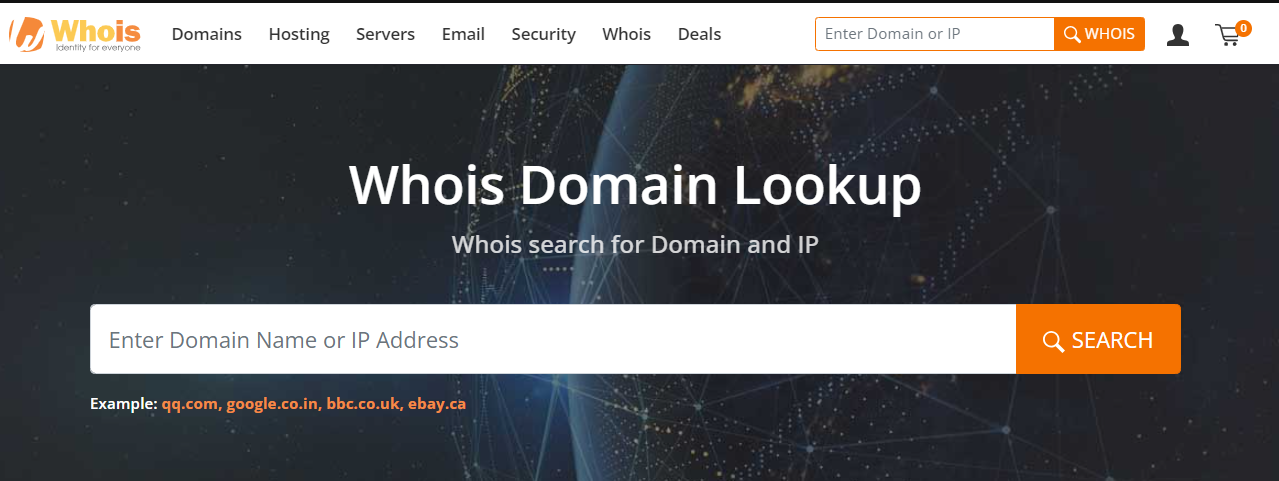
How These Facts Connect
The evolution of domain registration transparency reflects broader trends in digital privacy and corporate secrecy. How to find where a domain is registered today is less about technical limitations and more about navigating a system designed to balance openness with anonymity. WHOIS, once a straightforward directory, has become a fragmented ecosystem where registrars, privacy services, and legal jurisdictions dictate what information is visible—and to whom. The most reliable investigations combine multiple methods. A domain’s WHOIS record may show a privacy shield, but its DNS settings could point to a hosting provider in a jurisdiction with weaker privacy laws. The registrar’s location might suggest a preference for anonymity, while historical WHOIS data could reveal past ownership changes. Even social media ties or payment records can break through the obfuscation. The key is persistence—and knowing when to escalate from public tools to legal or technical requests. | Method | Strengths | Limitations | Best Used For | |--------------------------|----------------------------------------|------------------------------------------|----------------------------------------| | WHOIS/RDAP | Fast, free, widely available | Privacy shields, redacted data | Initial reconnaissance | | DNS Analysis | Reveals hosting infrastructure | Doesn’t always expose end users | Mapping domain relationships | | Registrar Research | Shows strategic intent | Jurisdictional variability | Identifying privacy jurisdictions | | Alternative Data | Fills gaps in missing records | Requires manual effort | Breaking through anonymity | | Legal Requests | Can force disclosure | Slow, resource-intensive | High-stakes investigations |
Conclusion
Finding where a domain is registered is no longer a matter of running a single query. It’s a multi-step process that demands an understanding of how domains are structured, registered, and obscured. The tools exist—but they must be used strategically. A privacy-protected WHOIS record isn’t a dead end; it’s a signal to dig deeper into DNS, payment methods, or alternative data sources. Meanwhile, the legal landscape continues to shift, with GDPR, SB-327, and other regulations altering what can be accessed—and by whom. For businesses, this means due diligence is more critical than ever. Competitors, partners, or even customers may operate under domain structures designed to hide their true identity. For cybersecurity professionals, it’s about identifying malicious actors before they strike. And for individuals, it’s a reminder that the internet’s transparency isn’t guaranteed—it must be earned, one layer at a time.Comprehensive FAQs
Q: Can I always find out who owns a domain?
A: No. Domains registered after 2018 under privacy services (e.g., WhoIsGuard) often return only generic contact information. Even then, some registrars in privacy jurisdictions (like Panama or Singapore) may not disclose the true beneficiary without legal pressure. Historical WHOIS archives or alternative data sources can sometimes help, but there’s no guarantee of success.
Q: Is it legal to look up domain ownership?
A: Yes, but with caveats. Public WHOIS and RDAP lookups are legal for most purposes. However, scraping or harvesting WHOIS data at scale may violate terms of service or laws like GDPR. If you’re investigating fraud, cybercrime, or intellectual property theft, consult legal counsel—some jurisdictions require a subpoena or court order to access redacted data.
Q: Why do some domains use privacy services?
A: Privacy services are used for legitimate reasons—protecting personal data from spam, harassment, or legal threats—as well as malicious ones, like hiding cybercriminal activity. Startups, journalists, and activists often use them to avoid doxxing. Meanwhile, scammers and fraudsters exploit them to obscure their operations. The same tool serves both privacy advocates and bad actors.
Q: What’s the most effective way to bypass a privacy-protected domain?
A: There’s no foolproof method, but combining approaches works best: 1. Check DNS and hosting providers for ties to other domains or IPs. 2. Search for associated emails (via MX records or webmail services). 3. Look for social media or professional profiles linked to the domain. 4. File a legal request (e.g., DMCA takedown, fraud complaint) if investigating abuse—some registrars will disclose data under pressure. 5. Use historical WHOIS archives (e.g., DomainTools) to see past registrations.
Q: How do I verify if a domain is truly anonymous?
A: A domain is likely anonymous if: - Its WHOIS record shows a privacy service (e.g., WhoIsGuard, PrivacyGuardian). - The registrar is based in a privacy jurisdiction (e.g., Panama, Seychelles). - DNS points to a hosting provider known for anonymity (e.g., some VPN-based hosts). - No alternative data (emails, social media, payment records) ties it to a real person. Even then, full anonymity is rare—most domains leave some trace, whether in infrastructure, payment methods, or human error.
